Visual Journey
Ngorongoro in Frames
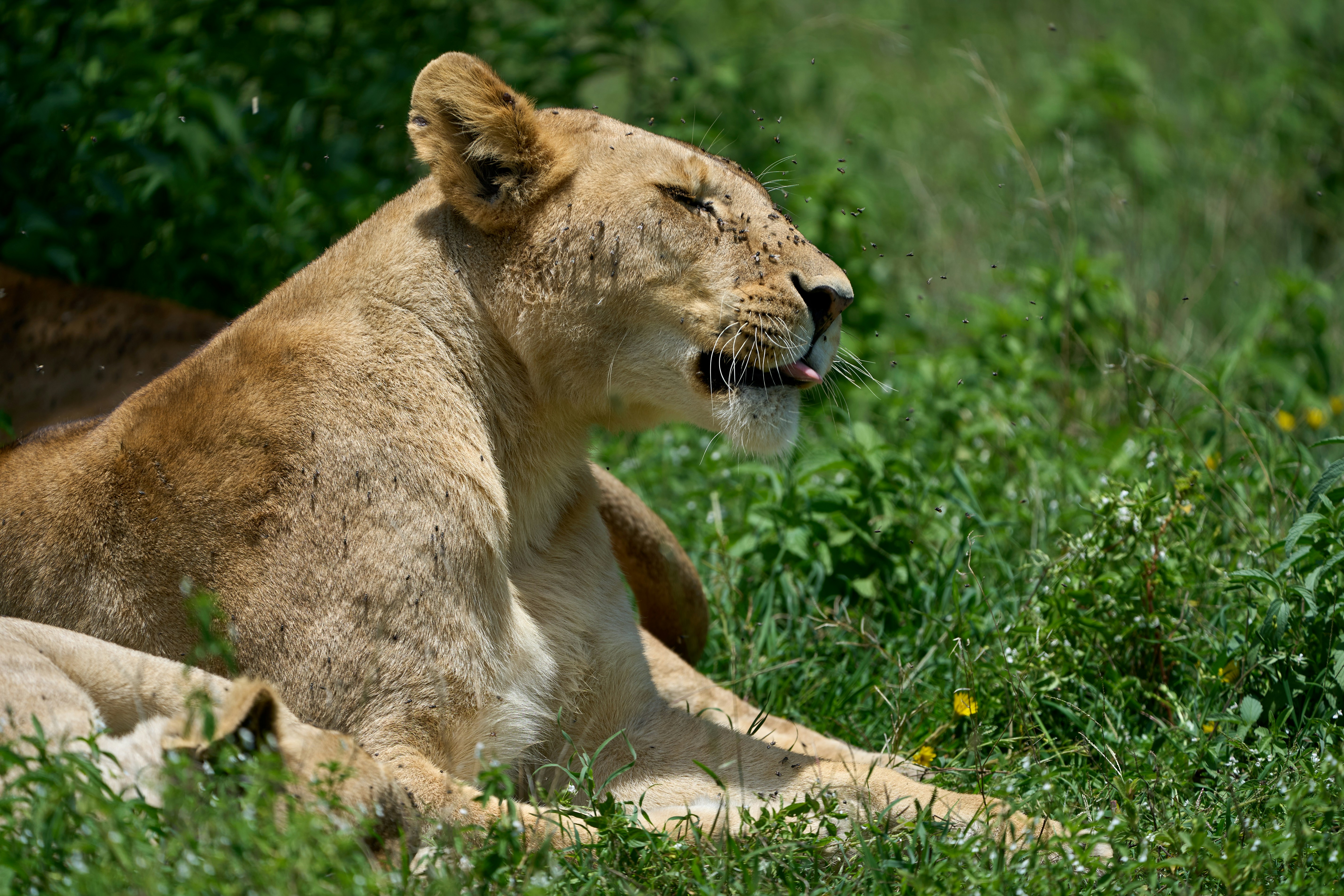
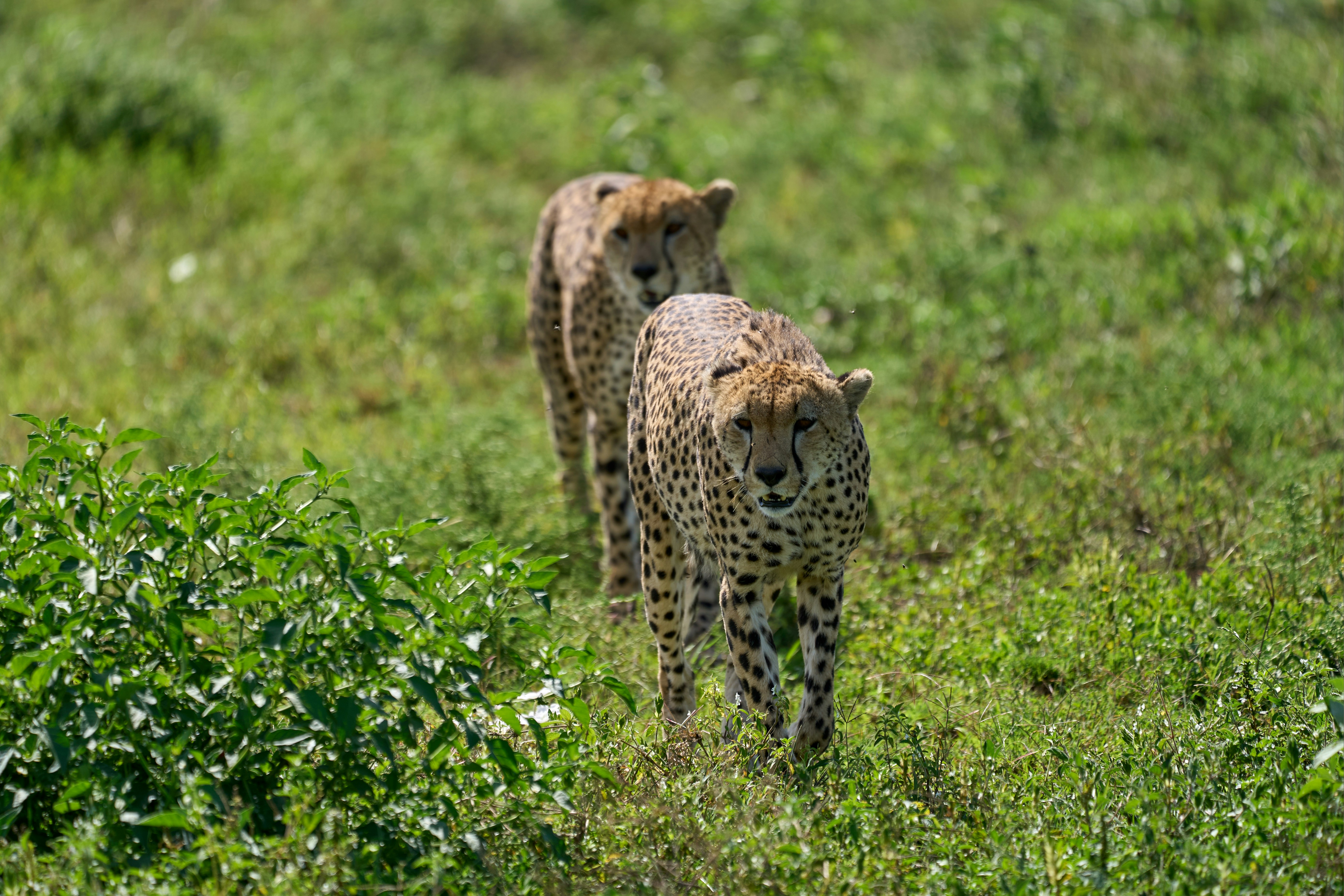
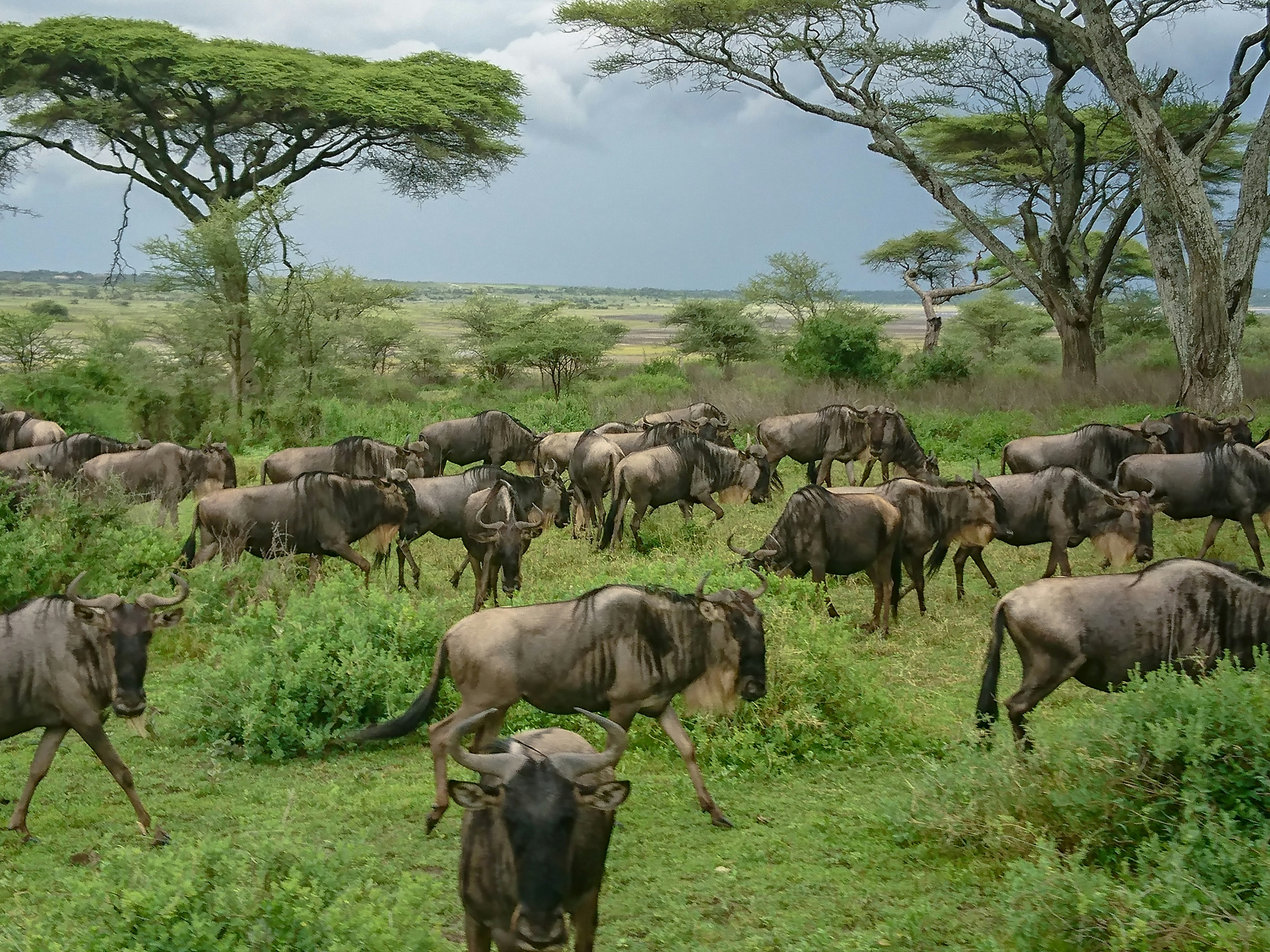
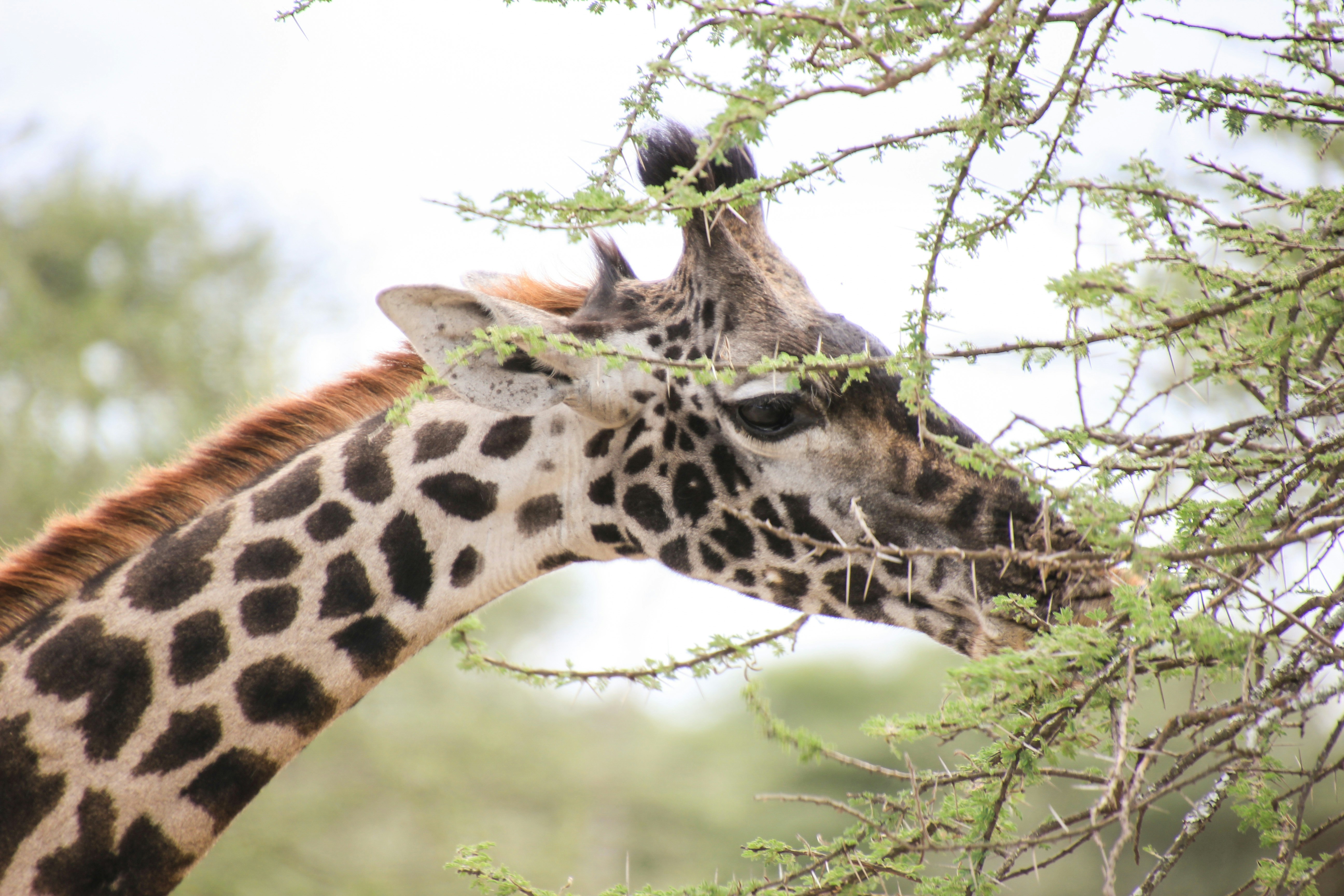
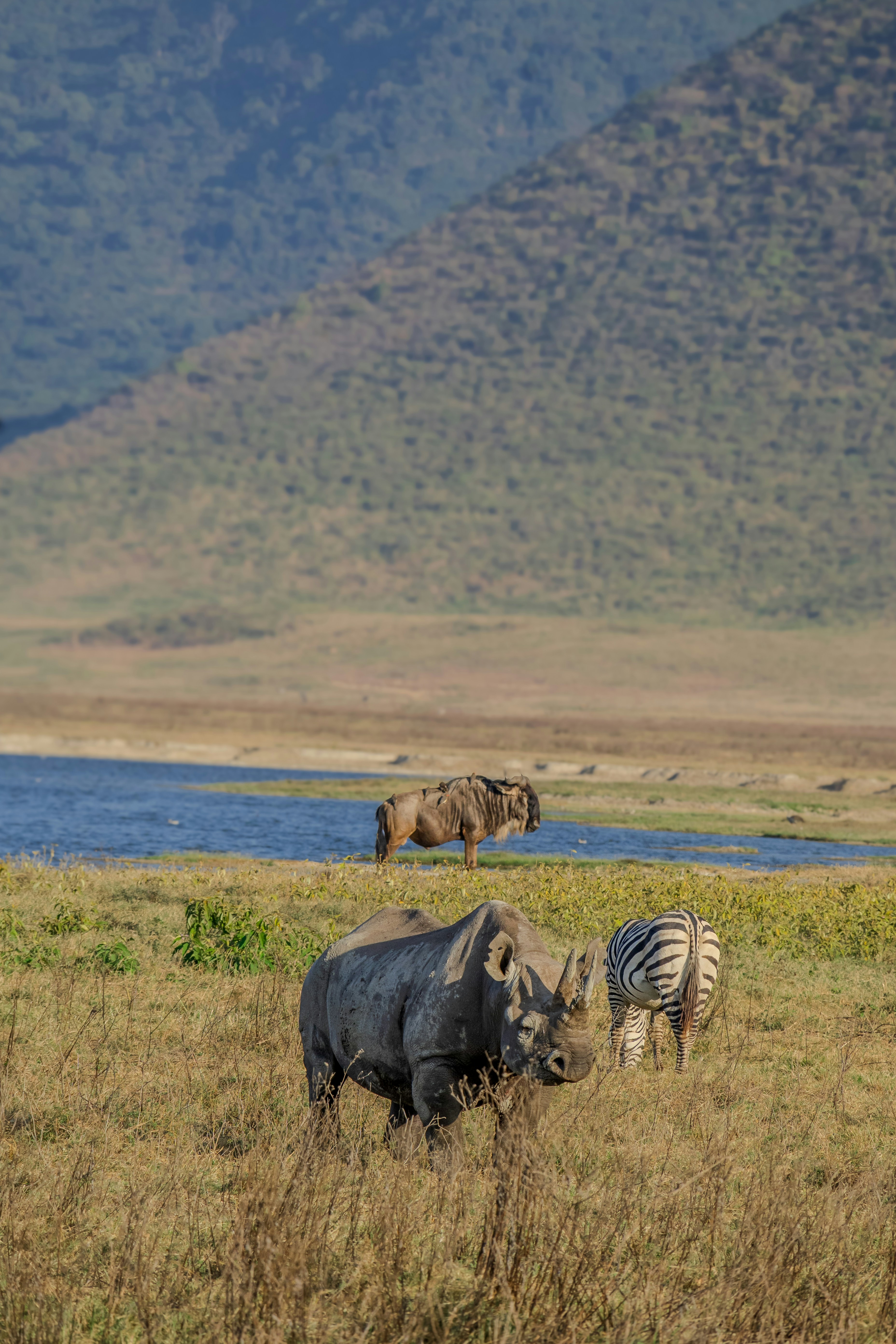
The world's largest intact volcanic caldera — a natural Eden sheltering the highest concentration of wildlife on Earth.
The Ngorongoro Crater is one of the natural wonders of the world — a collapsed volcano forming a perfect 260 km² bowl teeming with wildlife, framed by walls rising 600 metres from the floor.
Formed roughly three million years ago when a massive volcano collapsed inward, the Ngorongoro Crater is the world's largest intact caldera. Its walls act as a natural enclosure, creating a self-sustaining ecosystem that supports an estimated 25,000 large animals — including all members of the Big Five, with one of Africa's last remaining black rhino populations.
The crater floor transitions from open grassland to acacia woodland, hippo pools, and a soda lake fringed pink with flamingos. Descending into the crater at dawn, as mist lifts from the walls, is one of the most atmospheric moments in African travel. It is both a UNESCO World Heritage Site and a Biosphere Reserve.
Northern Tanzania, bordering the Serengeti ecosystem
Year-round — dry season (June–Oct) for clearest views
Black rhino, dense lion prides, hippo pools, crater rim views
1–2 full days inside the crater, plus rim experience
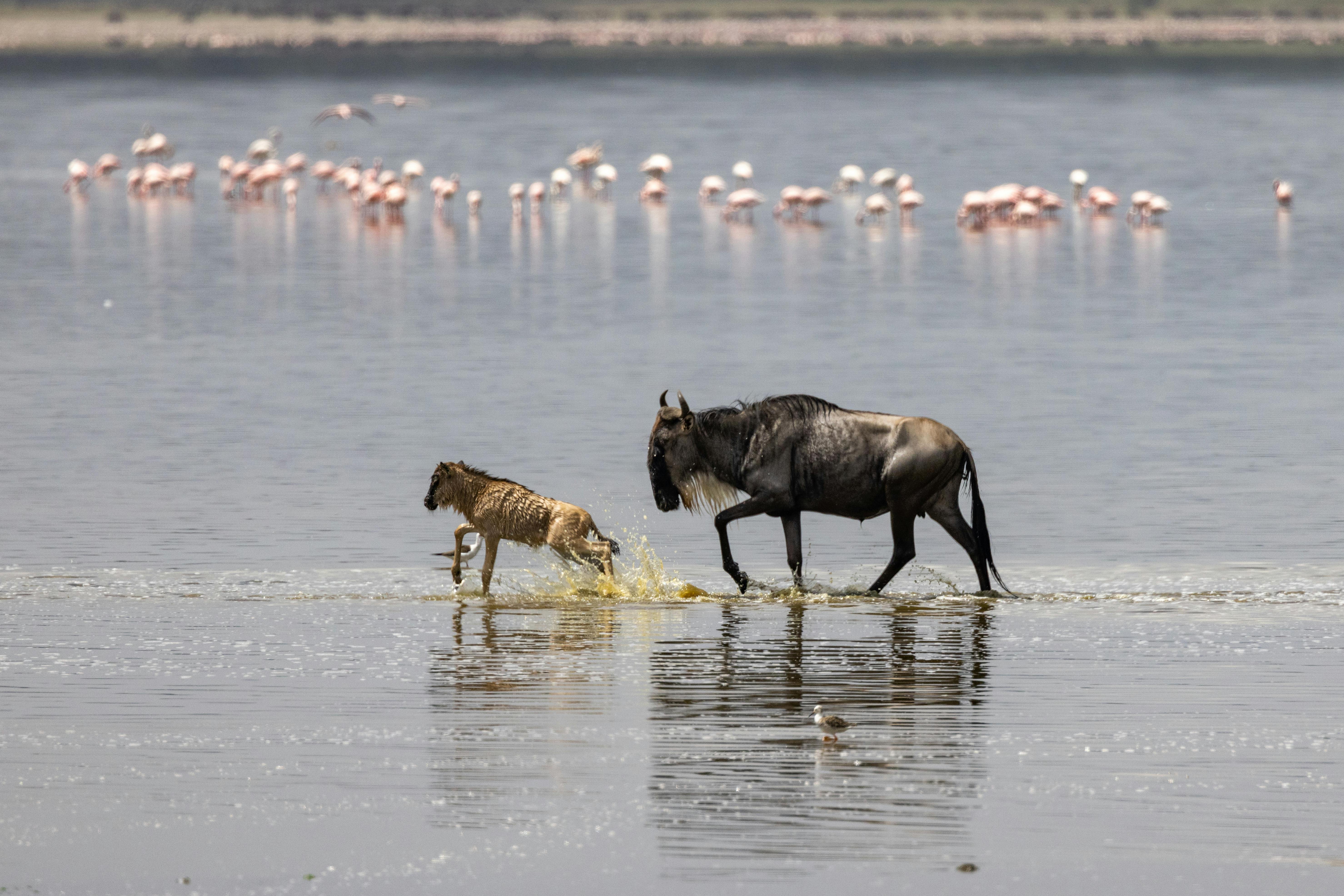
Endless plains, the Great Migration, and the world's highest density of lions.
Explore Park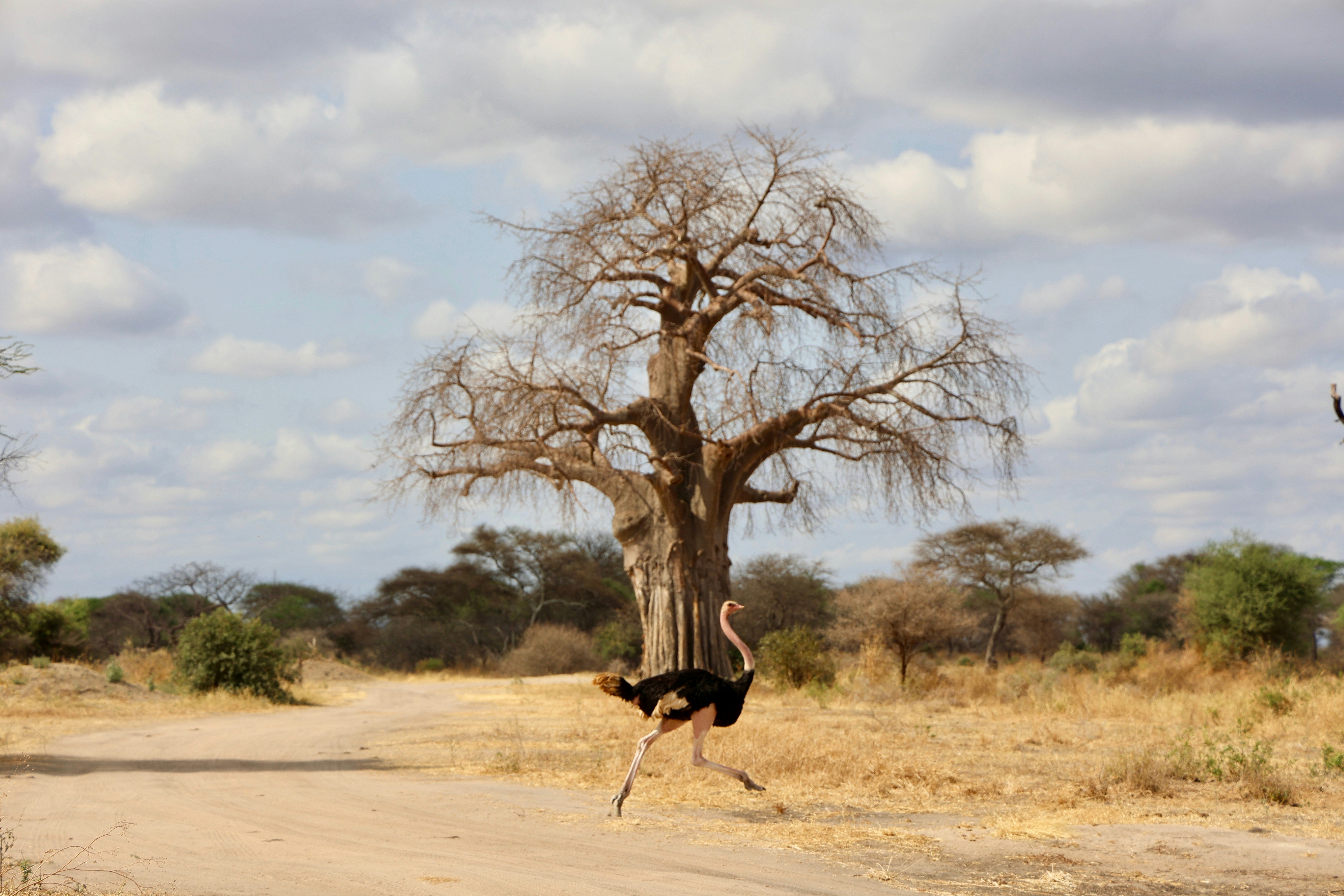
Ancient baobab groves and enormous elephant herds in a beautifully rugged landscape.
Explore Park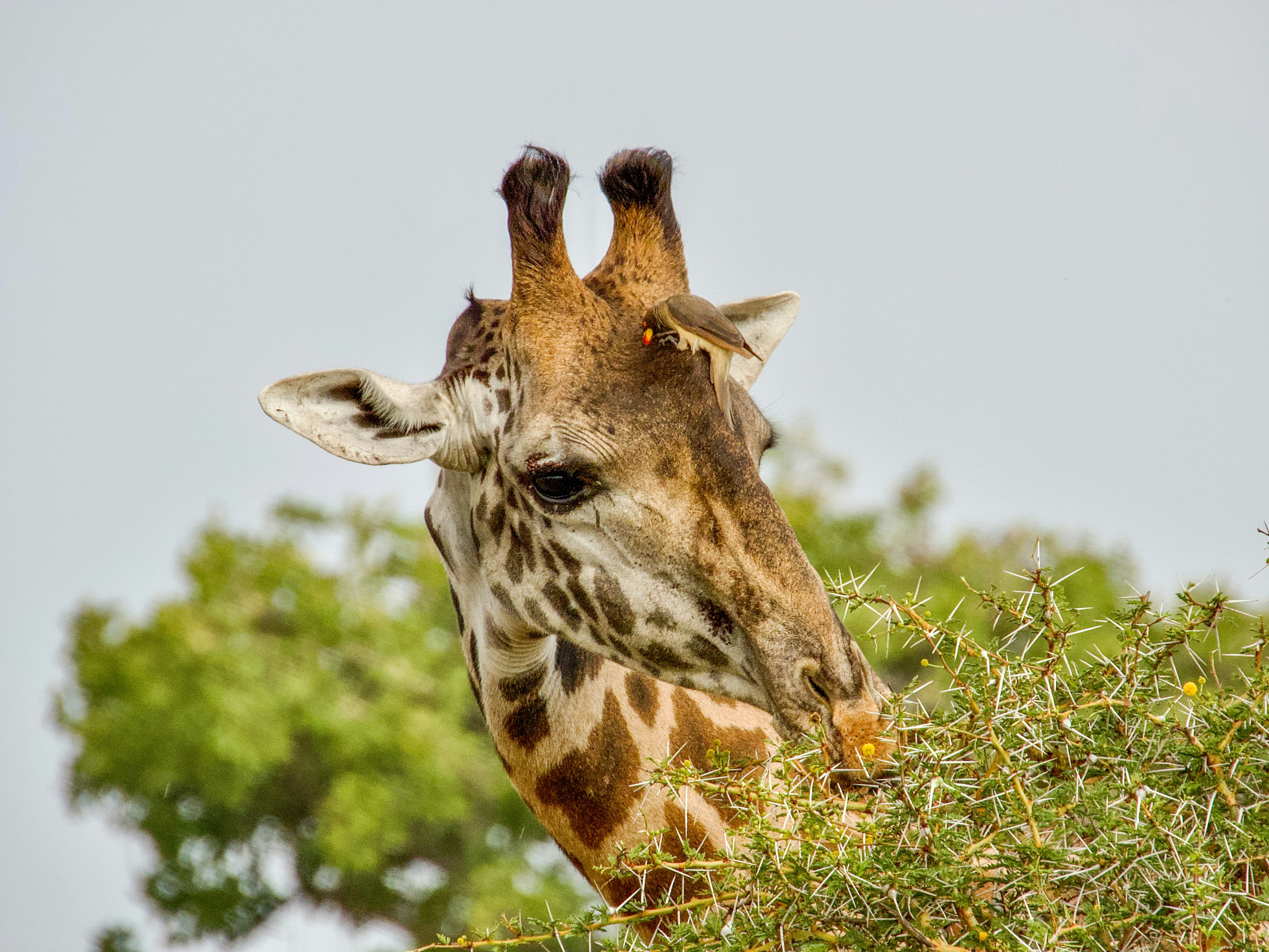
A compact park at the foot of Mount Meru with giraffes, zebras, and lush montane forest.
Explore Park